Overview
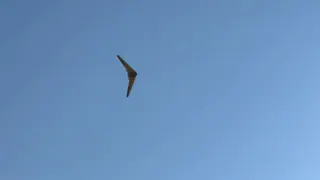
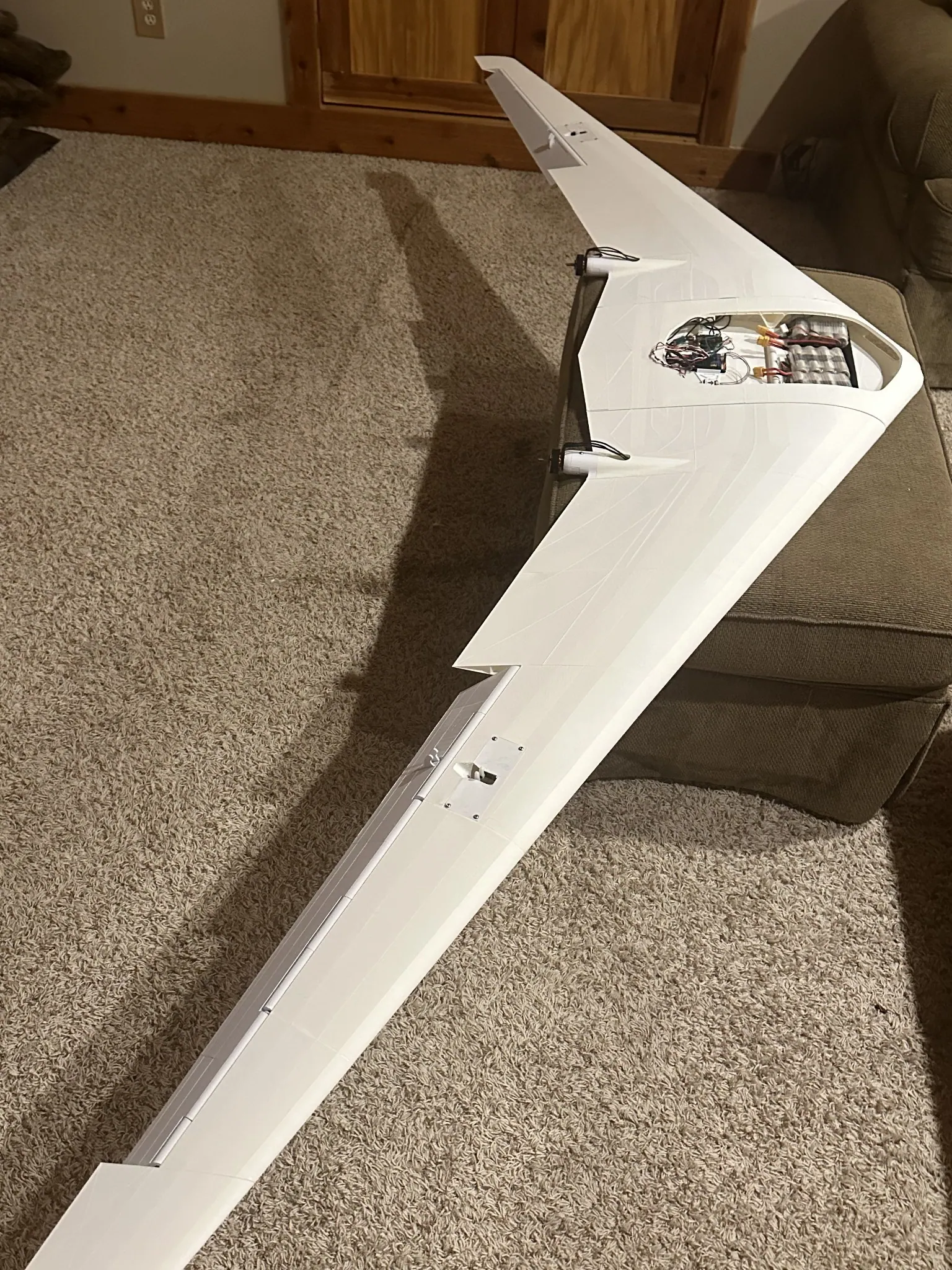
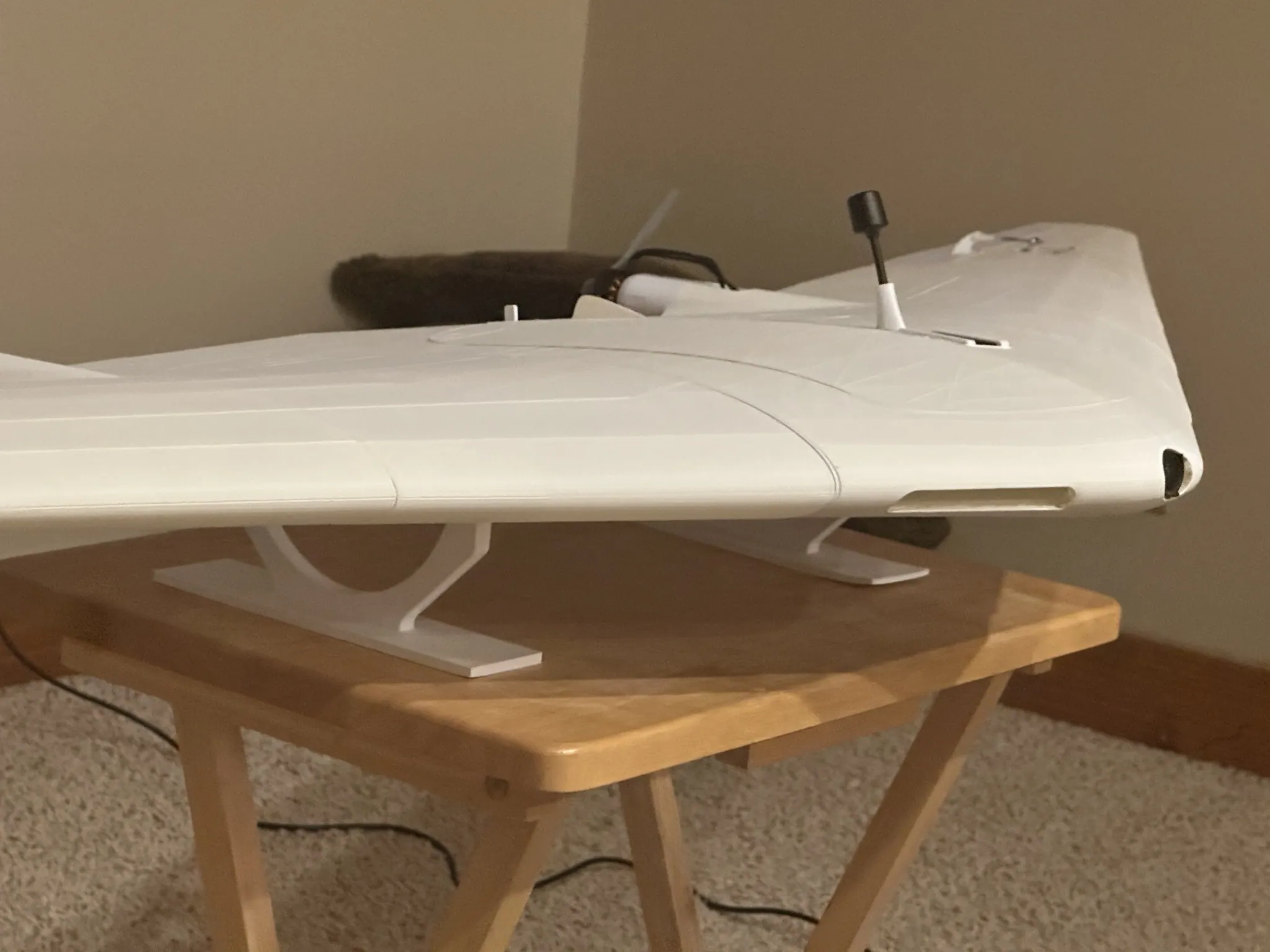
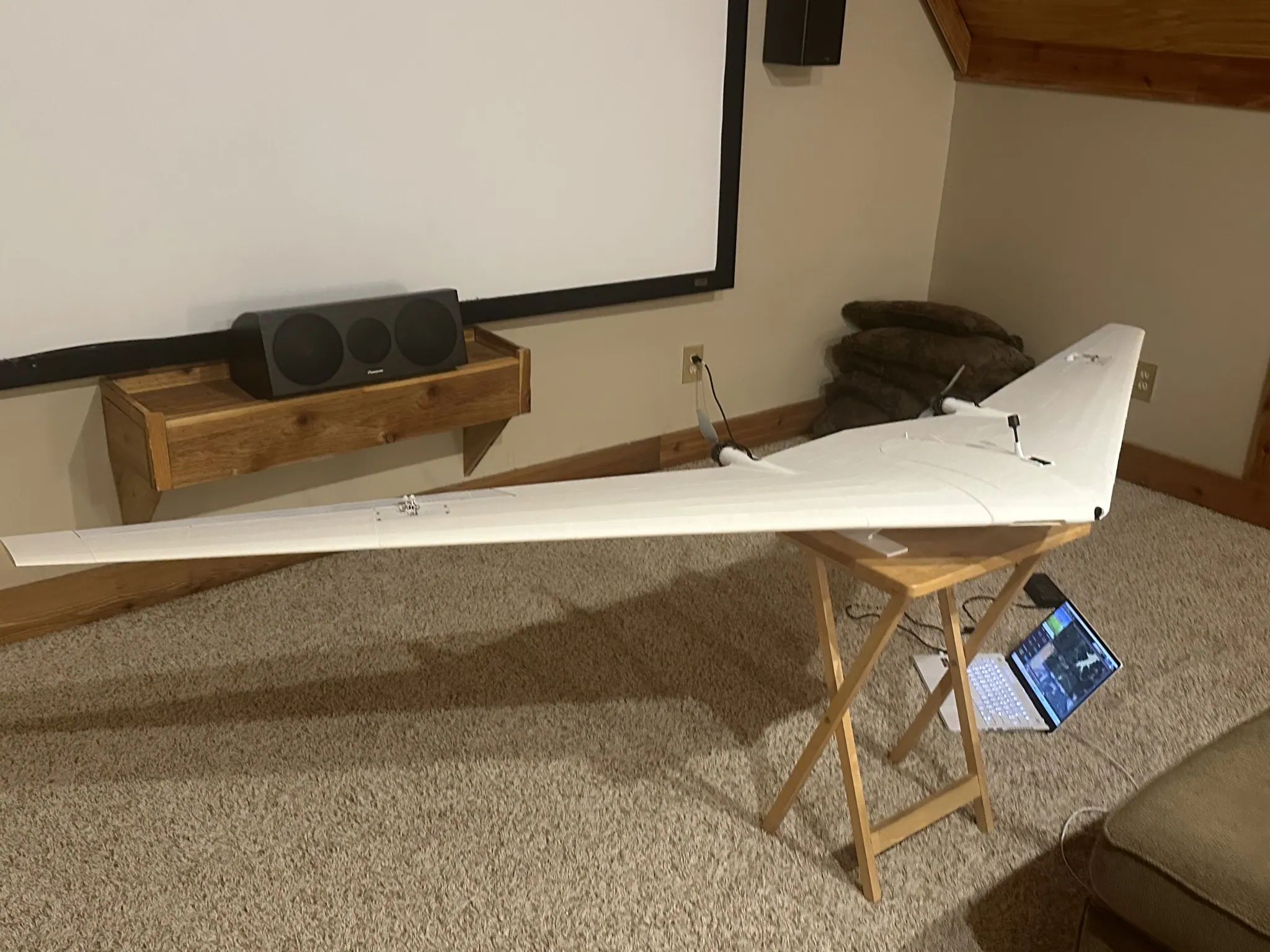
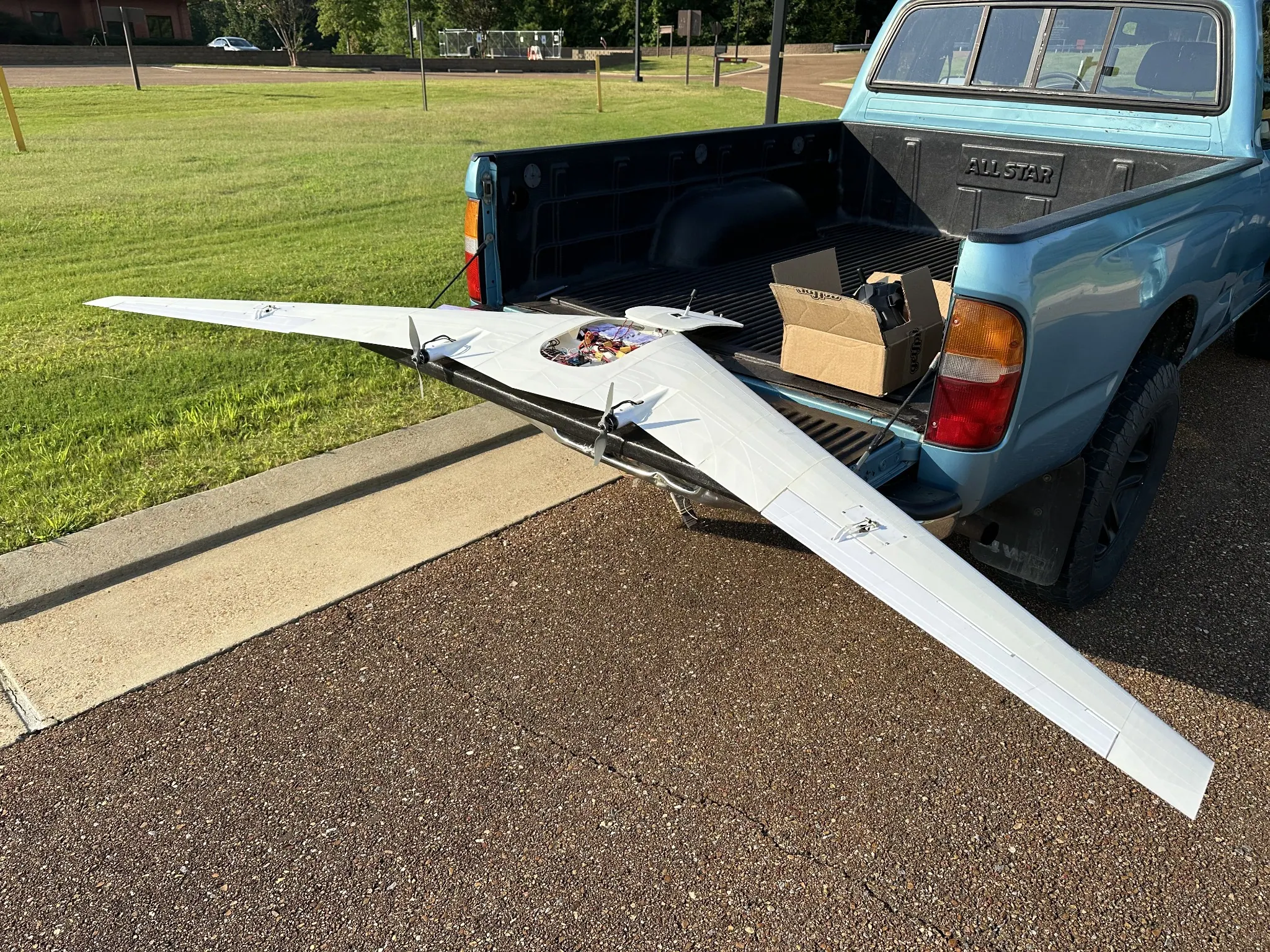
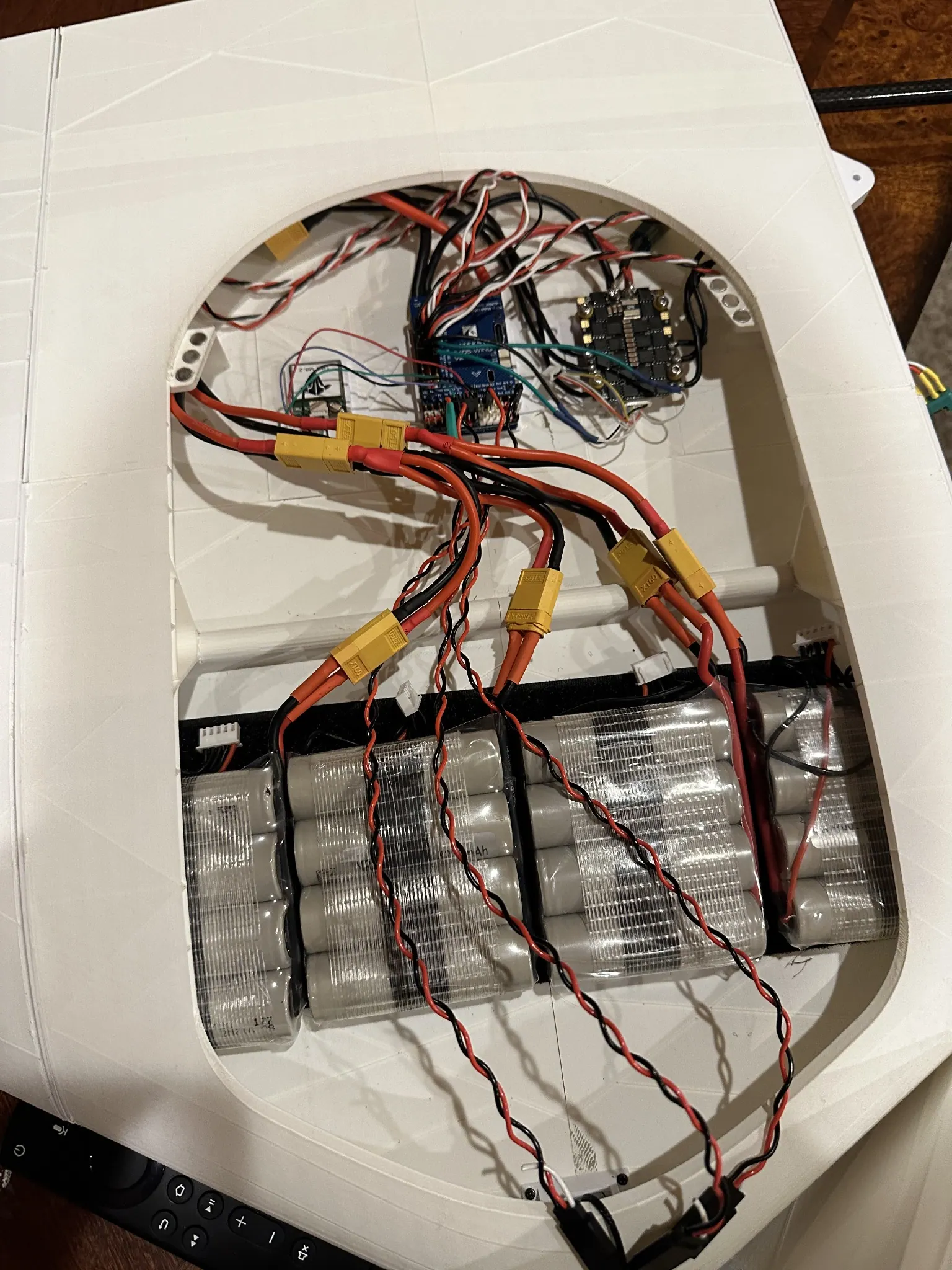
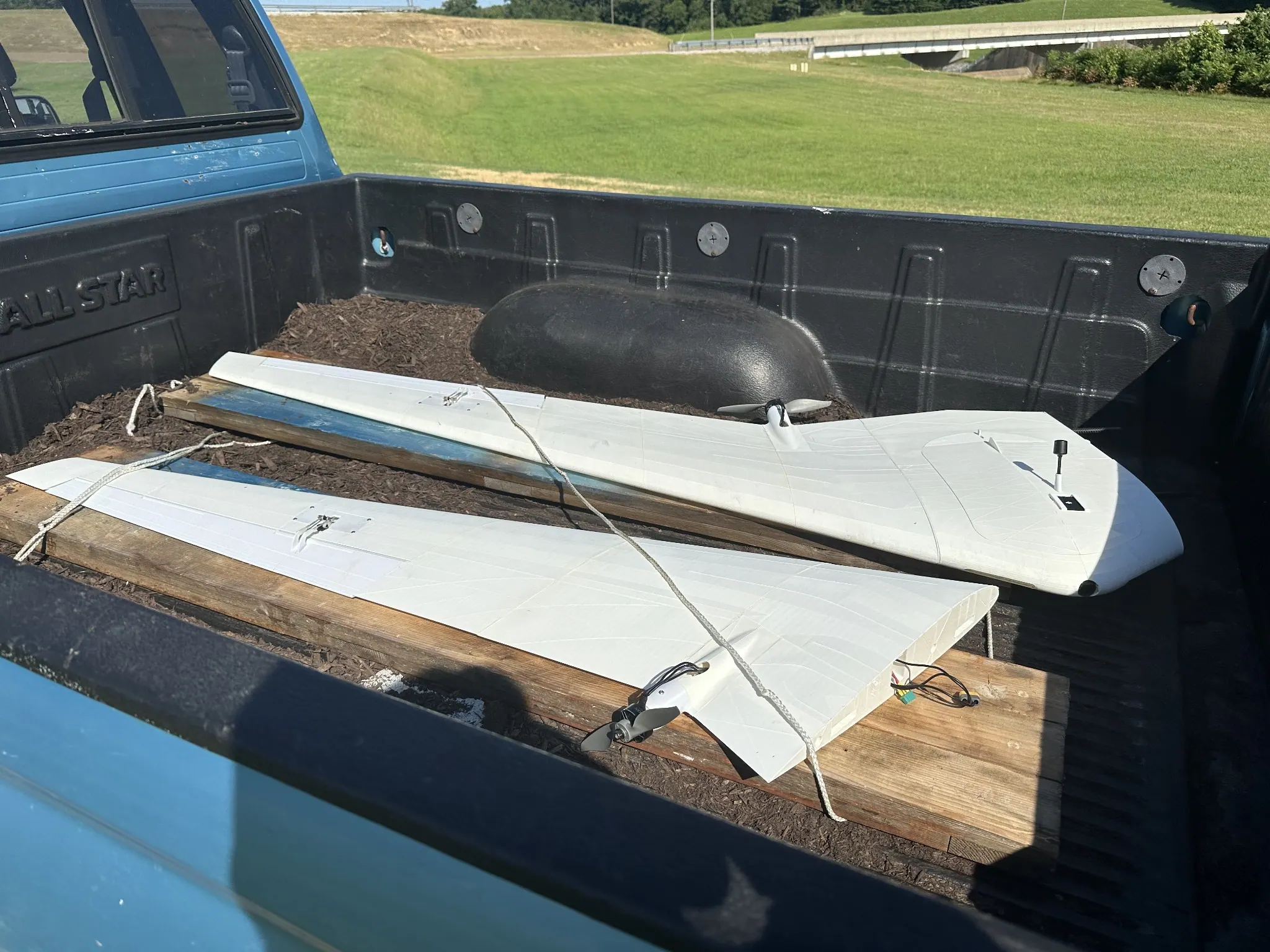
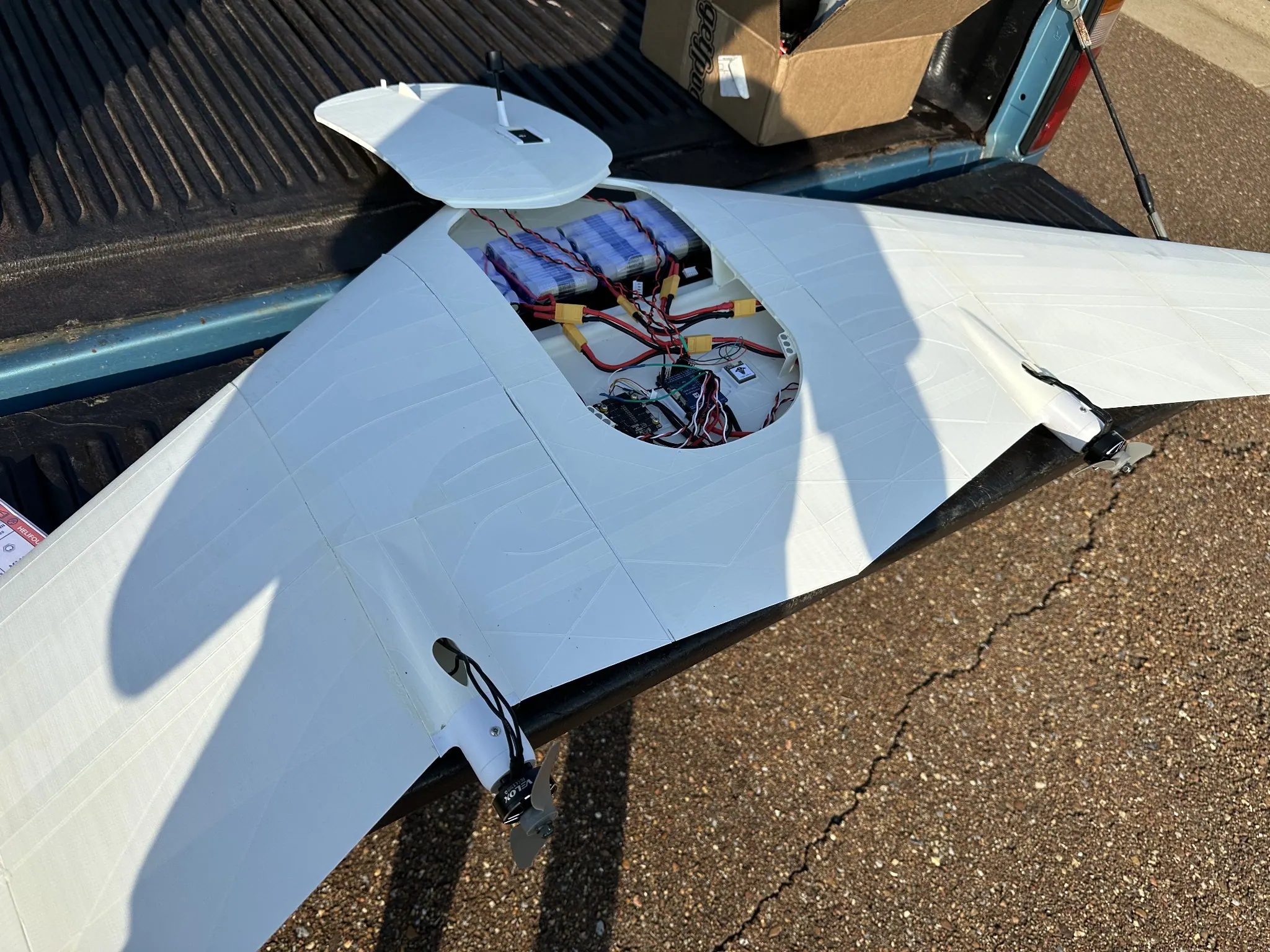
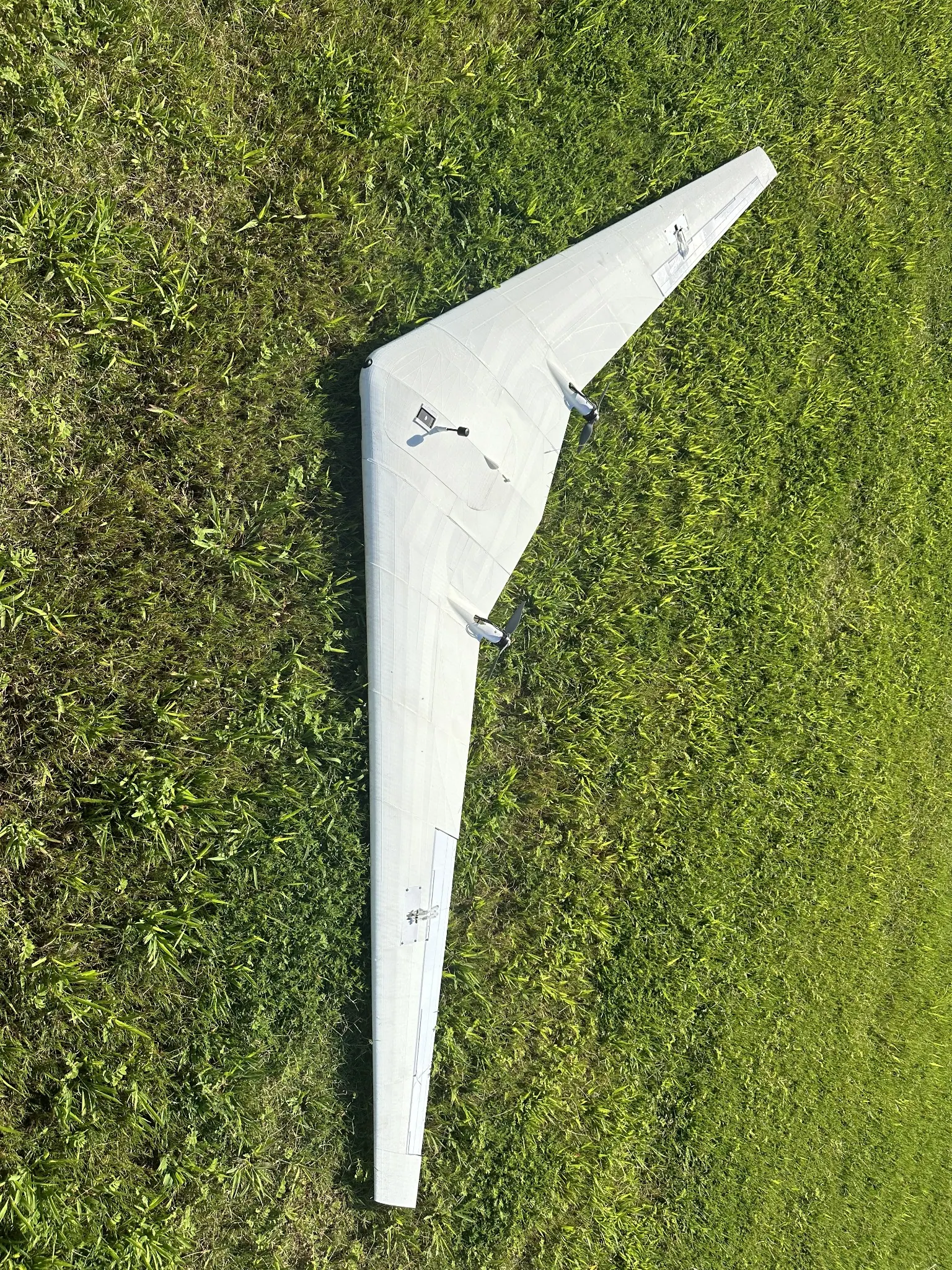
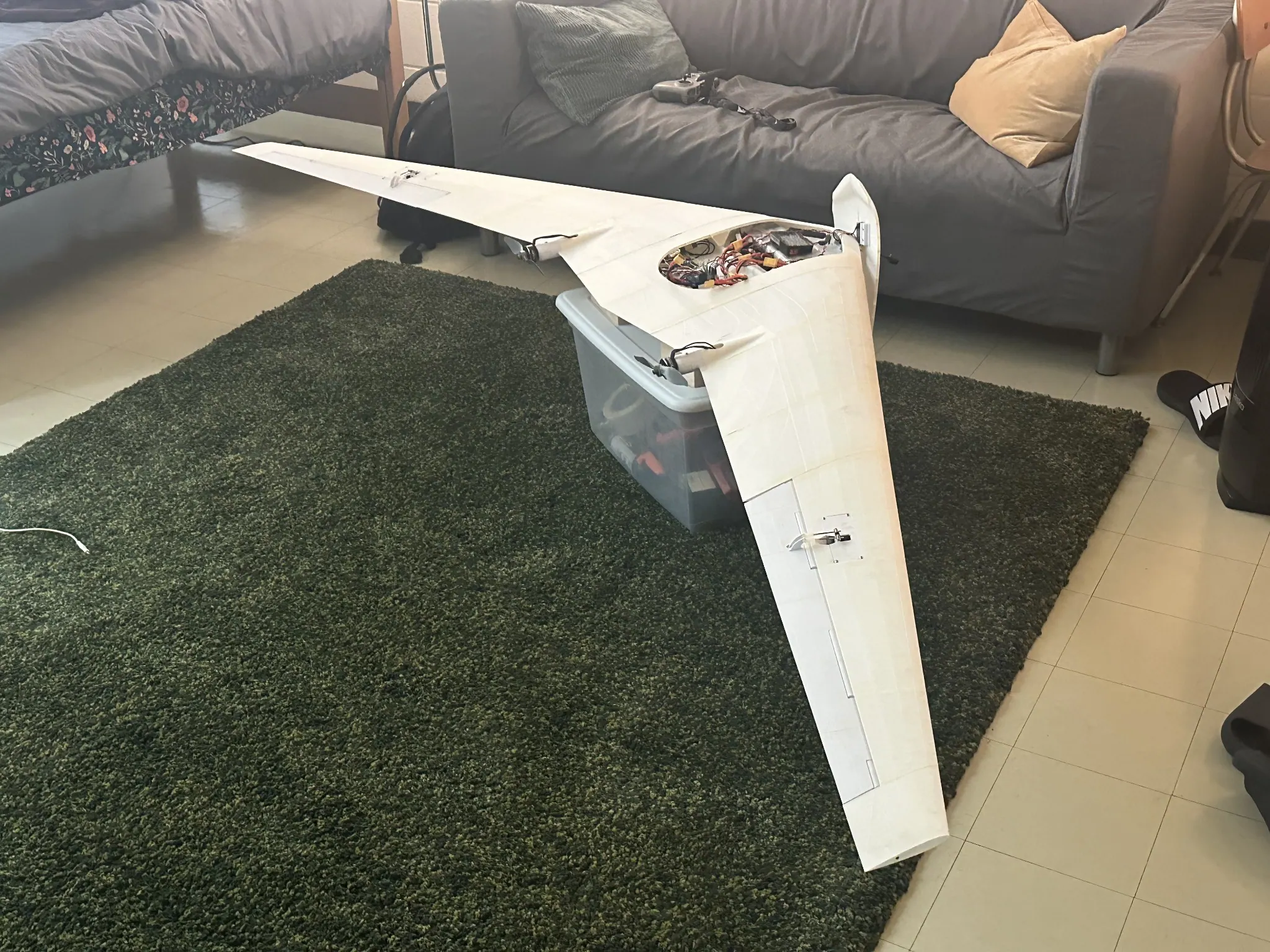
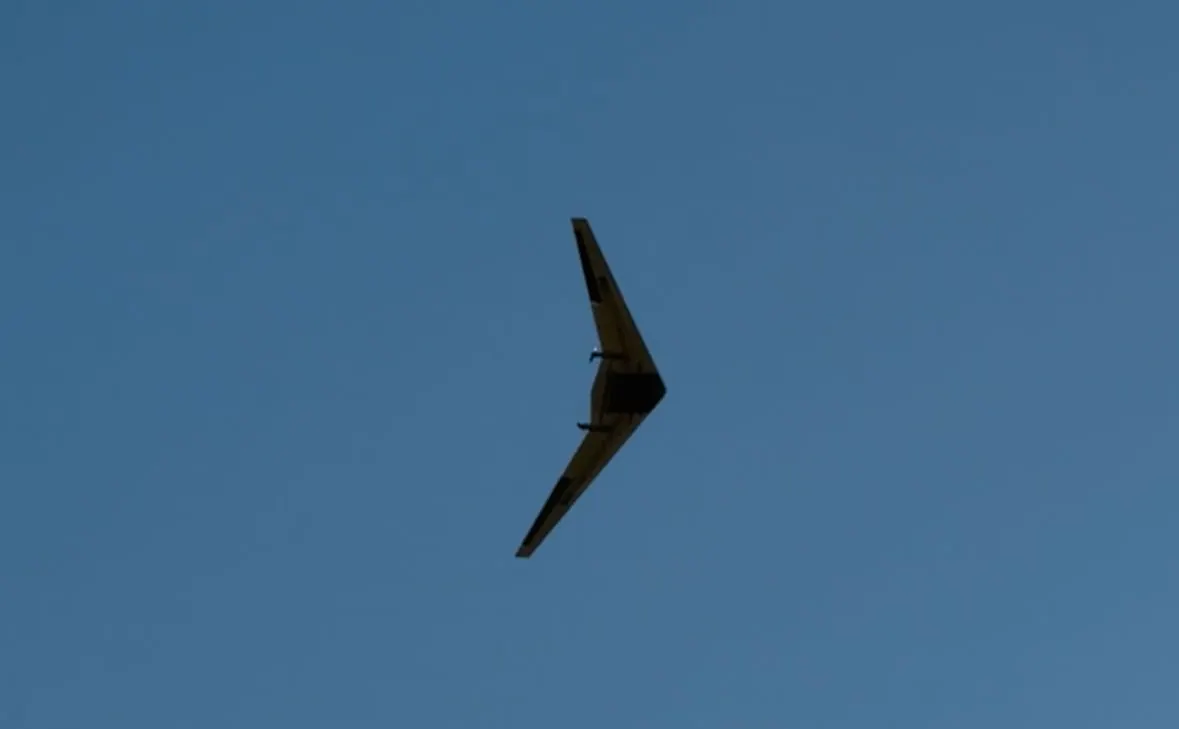
Goliath was a year long project that I initiated with the goal of building the most efficient UAS possible. I arrived at the pure-form wing design as it seemed to be the most logical way to reduce drag as much possible. With this decision came a variety of challenges that I had to learn to manage. In order to tackle the issue of stability in the yaw axis, split elevons were implemented to act as differential drag rudders, managed autonomously by the flight computer to assist in guiding the nose through turns and avoiding side slip that could lead to flat spins. Additionally, ironing out structural defects took multiply flights and was the result of costly lessons learned. The final product was a relatively capable long range platform capable of 4-5 hour flights.
Design
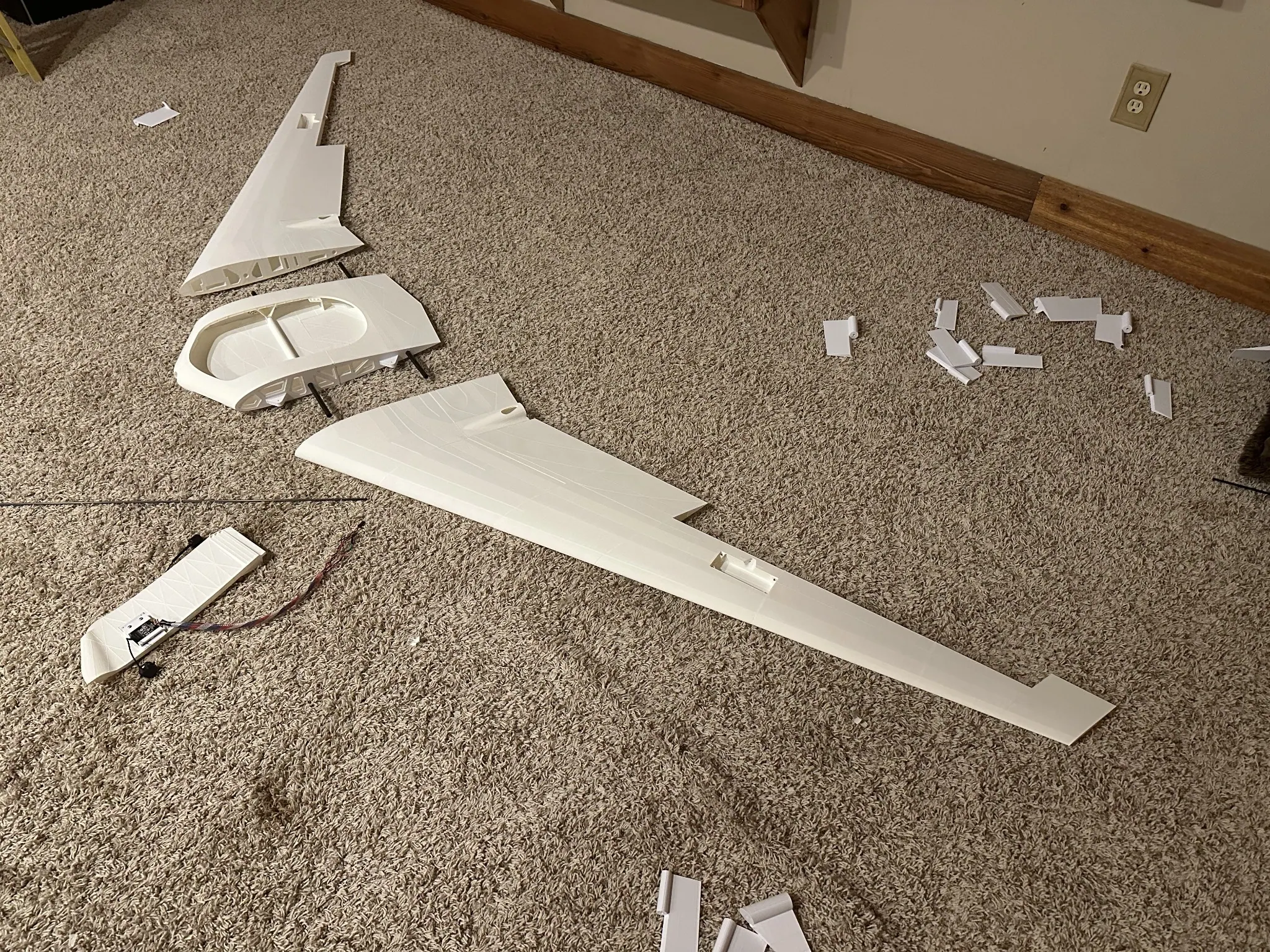
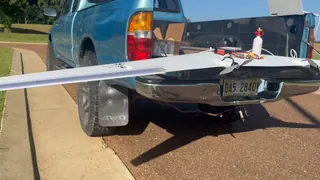
The design was based off of drawings belonging to the Horten brothers, pioneers of the flying wing format. The wings have a few degrees of twist to achieve a somewhat safe lift distribution. All ribs and internal structure are designed directly into the CAD, no infill is used.
First flights
The first two flights allowed the aircraft to adequately demonstrate the active stability and efficient characteristics. However, there was a noticable resonance in the wings at certain speeds that would cause oscillations.
Crash & root cause
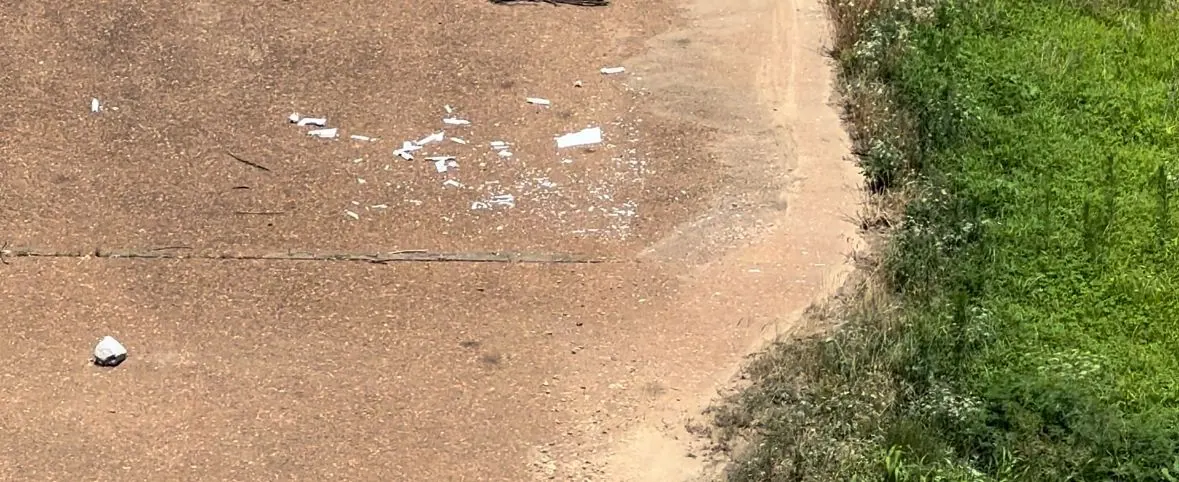
The resonance in the wings, likely caused by a lack of stiffness in the wings, resulted in severe oscillations that ripped the right wing off mid flight, dqusing a catastrophic crash.
Rebuild & design changes
The Goliath was modified to ensure that internal carbon fiber spars adequately transferred loads to the center support tubes, and that the carbon fiber spars stretched the entire wingspan, instead of just certain sections.
Back in the air
The redesign proved successful, allowing for numerous reflights and tuning of the stability system.
Lessons learned
The added weight and complexity of the split elevons may be unnecessary if I can achieve adequate passive stability, also, I must put more thought and consideration into the structure- may opt for a thicker root airfoil.